How to Read an Opponent: Boxing Strategy 101
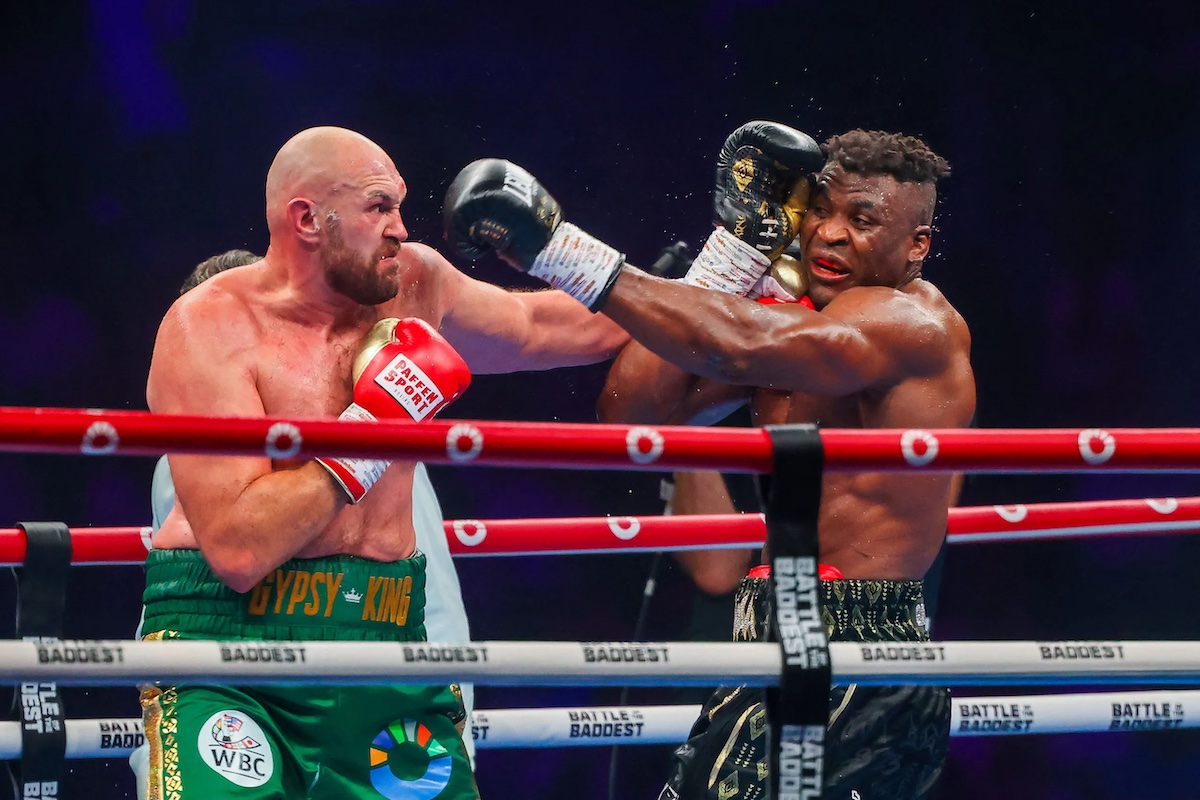
Welcome back to BoxingChampionships.info! As a fighter, one of the most crucial skills you can develop inside the ring isn't just about throwing punches; it's about understanding your opponent. Learning to "read" their movements, habits, and tells can give you a significant strategic advantage. This week, we're diving into Boxing Strategy 101: how to read your opponent.
The Opening Bell: Initial Observations
The moment the bell rings, your mental game is just as important as your physical one. Here’s what to look for in the initial exchanges:
- Stance and Posture: Is your opponent orthodox (left foot forward) or southpaw (right foot forward)? How balanced do they appear? Are they leaning forward aggressively or staying back defensively? A high guard might indicate a defensive fighter, while a lower guard could suggest they rely on speed or power.
- Footwork: How do they move around the ring? Are they light on their feet and agile, or do they plant their feet and rely on power? Do they cut off the ring effectively, or do they allow you to dictate the pace? Watch for patterns in their footwork – do they always step in a certain direction before throwing a punch?
- Hand Position: Where do they hold their hands? High and tight for defense? Low, perhaps baiting you in? The position of their hands can give clues about their preferred punches and defensive style.
- Eye Contact: Are they making direct eye contact, trying to intimidate? Or are they looking at your chest or shoulders, perhaps focusing on body shots? While not always definitive, eye contact can offer subtle insights into their confidence and intentions.
Decoding Punching Patterns
As the fight progresses, pay close attention to your opponent's offensive tendencies:
- Lead Hand Preference: Do they rely heavily on their jab to control distance and set up other punches? Or do they primarily use their power hand? Understanding their lead hand dominance can help you anticipate their attacks.
- Combination Sequences: What combinations do they like to throw? Do they always follow a jab with a right hand? Do they favor hooks to the body after a straight shot? Recognizing their go-to combinations allows you to anticipate and counter.
- Power vs. Speed: Are they loading up on big power shots, or do they rely on quick, sharp punches? This will influence your defensive strategy. Against a power puncher, you'll need to be more cautious and avoid getting caught clean. Against a speedster, timing and reflexes are key.
- Telegraphing Punches: Do they have any subtle tells before they throw a punch? This could be a slight shift in their weight, a dip of their shoulder, or a widening of their stance. Identifying these tells can give you precious milliseconds to react.
Reading Defensive Reactions
How your opponent reacts to your offense is just as important as understanding their attacks:
- Guard Reactions: How do they react when you throw a jab? Do they block high, parry, or try to slip? This will inform how you can follow up with subsequent punches.
- Reaction to Body Shots: Some fighters are more vulnerable to the body. Observe how they react when you land a body shot. Do they drop their hands, wince, or try to move away?
- Response to Pressure: How do they handle being pushed backward or trapped on the ropes? Do they try to counter aggressively, cover up and wait it out, or try to slip out laterally?
- Recovery After Getting Hit: How well do they recover after taking a solid punch? Do they shake it off quickly, or do they appear momentarily stunned? This can influence your strategy for capitalizing on openings.
Beyond the Physical: Mental and Emotional Cues
Reading an opponent isn't just about their physical actions; it also involves understanding their mental and emotional state:
- Frustration: Are they getting visibly frustrated if their attacks aren't landing or if you're dictating the pace? A frustrated fighter might become more reckless and predictable.
- Confidence: Conversely, a confident opponent might become more aggressive and take more risks.
- Breathing and Fatigue: Pay attention to their breathing. Are they breathing heavily, indicating fatigue? A tired fighter's reactions will slow down, and their punch output might decrease.
- Body Language: Subtle cues like slumped shoulders or a lack of urgency can indicate fatigue or discouragement.
Adapting Your Strategy
The information you gather by reading your opponent is only valuable if you use it to adapt your strategy. This might involve:
- Exploiting Weaknesses: If you notice they struggle with body shots, focus your attacks there. If they drop their lead hand, look for opportunities to land your right hand (for an orthodox fighter).
- Neutralizing Strengths: If they have a powerful jab, work on slipping or parrying it effectively. If they like to cut off the ring, use your footwork to create angles.
- Setting Traps: Based on their predictable reactions, you can set traps to lure them into your power shots or create openings for your combinations.
- Maintaining Awareness: Your opponent will also be trying to read you. Be mindful of your own tendencies and try to vary your attacks and movements to avoid becoming predictable.
Reading an opponent is a continuous process that evolves throughout the fight. It requires focus, observation, and the ability to process information quickly under pressure. By honing this skill, you can elevate your boxing IQ and gain a crucial edge in the ring.
What are some of your go-to strategies for reading an opponent? Share your insights in the comments below!
Stay sharp and keep learning here at BoxingChampionships.info!
Latest Articles




Latest Updates in Online Courses and Education.
Welcome back to BoxingChampionships.info! The final bell has rung, the roar of the crowd has faded, and hopefully, your hand...
Read MoreWelcome back to BoxingChampionships.info! While individual brilliance and championship glory are central to boxing's allure, it's often the intense, personal...
Read MoreWelcome back to BoxingChampionships.info! Today, I wanted to share a more personal story – my own journey through the ropes,...
Read MoreWelcome back to BoxingChampionships.info! For many aspiring boxers, the dream is to hear their name announced under the bright lights,...
Read MoreWelcome back to BoxingChampionships.info! The sport of boxing, with its primal appeal and captivating drama, boasts a history as rich...
Read MoreWelcome to BoxingChampionships.info! You're intrigued by the sweet science, the discipline, the thrill of the fight. Whether you're looking to...
Read MoreWelcome back to BoxingChampionships.info! Throughout the rich history of the sweet science, certain championship fights have transcended the sport, etching...
Read MoreWelcome back to BoxingChampionships.info! As a middleweight boxer, I often get asked about my training regimen. What does it take...
Read MoreExploring the Ancient World: Bible History & Archaeology
Uncover the people, places, and events that shaped biblical and ancient history.
Dive into a rich collection of resources on ancient civilizations, biblical archaeology, and historical contexts. From the empires of Babylon and Assyria to the life of Jesus and the early church, discover maps, timelines, commentaries, and scholarly insights that bring the ancient world to life. Explore the intersection of faith, history, and archaeology with our curated articles, maps, and studies.